
Solar Monitoring & EV App
Mobile Application
End-to-End Product
B2C
* Unfortunately, since the project is confidential because of my employer's NDA contract, it isn't possible to share more details about the design deliverables. If you have any questions about the process or any particular aspect of the project, let me know.
Role: Product Designer
Project duration: 2+ years
In-house product (Sesol AB)

Customer-facing mobile app for solar monitoring & EV charging
Led end-to-end product definition and UX, improving activation and reducing onboarding friction in a data-heavy energy app.
📈 +30% engagement · 📉 –35% onboarding issues · ⚡️ 25% faster UI delivery
About the project
This mobile application is developed for one of the largest solar panel installation companies in Jönköping, Sweden, with a strong presence across Sweden and Norway. As part of the in-house tech team, I contribute to building a solution that enhances customer engagement and creates new business opportunities.
Designed for solar energy consumers, the app goal is to help users monitor and optimize their energy usage. Available for iOS and Android, it provides essential tools to track solar savings, energy consumption, manage EV charging, electric vehicles, and participate in energy markets and battery optimization (savings).
Key Features:
-
Real-time insights into solar energy consumption and savings
-
EV charging management using the company’s chargers
-
Consumption history tracking for vehicles and home energy usage
-
Participation in energy markets, allowing users to optimize battery storage for peak shaving and cost savings, and gains.
-
Installers' view
This app is a strategic initiative to improve customer experience, introduce subscription models, and provide better cost transparency compared to competitors. By integrating smart energy management with an intuitive user experience, it empowers users to make informed energy decisions while maximizing their savings.
As part of the project, the version of the installer was defined as well. Here, the users (Sesol AB installers) have the possibility to set up customer accounts and follow the necessary checklist for the installation of gateways, which are necessary for the data provided to the users in the application.
Role in the project
As the only UX/UI Designer in the team, I was responsible for shaping the app’s user experience and visual identity. My work included:
UX Design:
-
Conducted user research to define key customer profiles and behavior
-
Led competitive analysis (SWOT) to assess strengths, weaknesses, and opportunities
-
Ran user testing with stakeholders to refine features and improve usability
-
Defined UX research strategies and metrics to continuously enhance the experience
-
Work on a strategy for UX research once the application is launched using Mixpanel and surveys.
UI Design:
-
Collaborated with an external agency to establish the brand’s style guide
-
Designed, perform regular maintenance, and built a scalable design system, balancing native iOS/Android components with custom elements
-
Created high-fidelity UI designs for key features, including flows, navigation, and interactions
-
Conducted exploratory testing to ensure smooth implementation
-
Maintained and expanded a design library for future iterations
I worked closely with the marketing, development, and QA teams, ensuring a seamless collaboration under the guidance of the Product Owner (PO).
Biggest challenges
One of the biggest challenges was the uncertainty during the feature definition phase. The initial goals were not clearly defined, which made it difficult to determine which features should be prioritized. Aligning business needs with user expectations required extensive discussions and iterations.
Another key challenge was understanding the market and the target users. Since I usually design for users in North America and Latin America, adapting to a new demographic in Sweden and Norway required a shift in approach. User behaviors, expectations, and interactions with solar energy solutions differ across regions, making it crucial to conduct thorough research and familiarize myself with this new audience.
Additionally, the project’s confidentiality limited direct user research, so we had to rely on competitive analysis, internal insights, and stakeholder feedback to shape the initial product direction.
Despite these challenges, collaboration with the team and continuous learning helped refine the application’s vision and create a user-centered experience tailored to this new market.
Chosen solutions
To maximize customer engagement and stand out from competitors, the company decided to develop a custom mobile application tailored to its users. This application serves as Version 1, laying the foundation for future enhancements based on user feedback and business needs.
The solution enables:
-
Subscription-based models and personalized user experiences
-
Better cost vs. savings transparency compared to competitors
-
A scalable and user-friendly interface designed to evolve with business goals
To ensure continuous improvement, a UX research plan has been defined to analyze how users interact with the app and identify areas for enhancement. This plan will help determine the next steps for development, ensuring that future updates align with both user expectations and business objectives.
Through an iterative UX/UI approach, the app is designed to evolve dynamically, integrating real-world insights and data-driven decisions to enhance the overall experience.
Outcomes and lessons learned
The design phase has been successfully completed, with all designs carefully done to align with both iOS and Android guidelines for a seamless, native user experience. Throughout this process, continuous user testing and stakeholder feedback have been instrumental in refining the product.
Product reached pre-launch phase (Q2 2025) and was scheduled for customer release; development was paused two weeks before launch due to internal business reprioritisation.
Key takeaways
-
Early MVPs reduce rework: Delivering a Minimum Viable Product (MVP) as soon as possible helps validate assumptions, gather feedback, and refine features efficiently.
-
Collaboration is key: Strong communication with marketing, development, and QA teams has led to smoother development and a higher-quality product.
-
Validate technical feasibility early: Ensuring close collaboration with developers to assess feasibility before development starts helps reduce complexity and avoid roadblocks.
-
Adaptability in research: Due to project confidentiality, direct customer research was limited. Instead, leveraging competitive analysis and internal insights proved essential in defining user needs.
-
Designing for a different demographic is a game-changer: This project involved designing for users in Sweden and Norway, a market I was less familiar with, having previously focused on North American and Latin American audiences. I learned that understanding cultural nuances, user behavior, and regional preferences is crucial. This shift required adapting my design processes to ensure the app resonated with the local demographic, impacting decisions on visual design, interactions, and user flows.
With the upcoming launch, the focus remains on optimising the user experience, refining key features, and ensuring a smooth integration into the company’s energy ecosystem.
Future vision:
Expanding toward Virtual Power Plant (VPP) management
In parallel with the Solar Energy App, I worked on research and early design concepts for a Virtual Power Plant (VPP) management system, an initiative intended to enable the company to participate in the energy market through ancillary services such as Frequency Containment Reserve (FCR).
The goal was to design a digital platform that would allow administrators to manage participation in energy-market bidding, defining parameters such as time windows, price ranges, and battery availability. The system would also determine whether connected batteries should store or inject energy into the grid, depending on real-time grid demand and market conditions.
To understand the business logic and regulatory framework, I studied extensive documentation from Svenska kraftnät, including business and market rules related to FCR participation, certification, and compliance. This research phase was essential to accurately define user journeys, technical constraints, and interaction flows within the system.
My design work focused on mapping user goals, defining information architecture, and creating wireframes for the management dashboard. The objective was to translate complex market mechanisms into an intuitive, human-centered interface that would help administrators monitor energy assets, configure participation criteria, and ensure operational compliance.
Although the project was paused before reaching the visual design and pilot testing phases, it provided valuable insights into the intersection between UX design, energy management, and regulatory systems. It demonstrated how user-centered design can help bridge the gap between technical operations, market participation, and sustainability goals, laying the groundwork for scalable, distributed energy solutions.
*The project was placed on hold until further notice, starting 1Q 2025. The project never reached the development phase.
Solar energy mobile App: Scalable & Intuitive UI
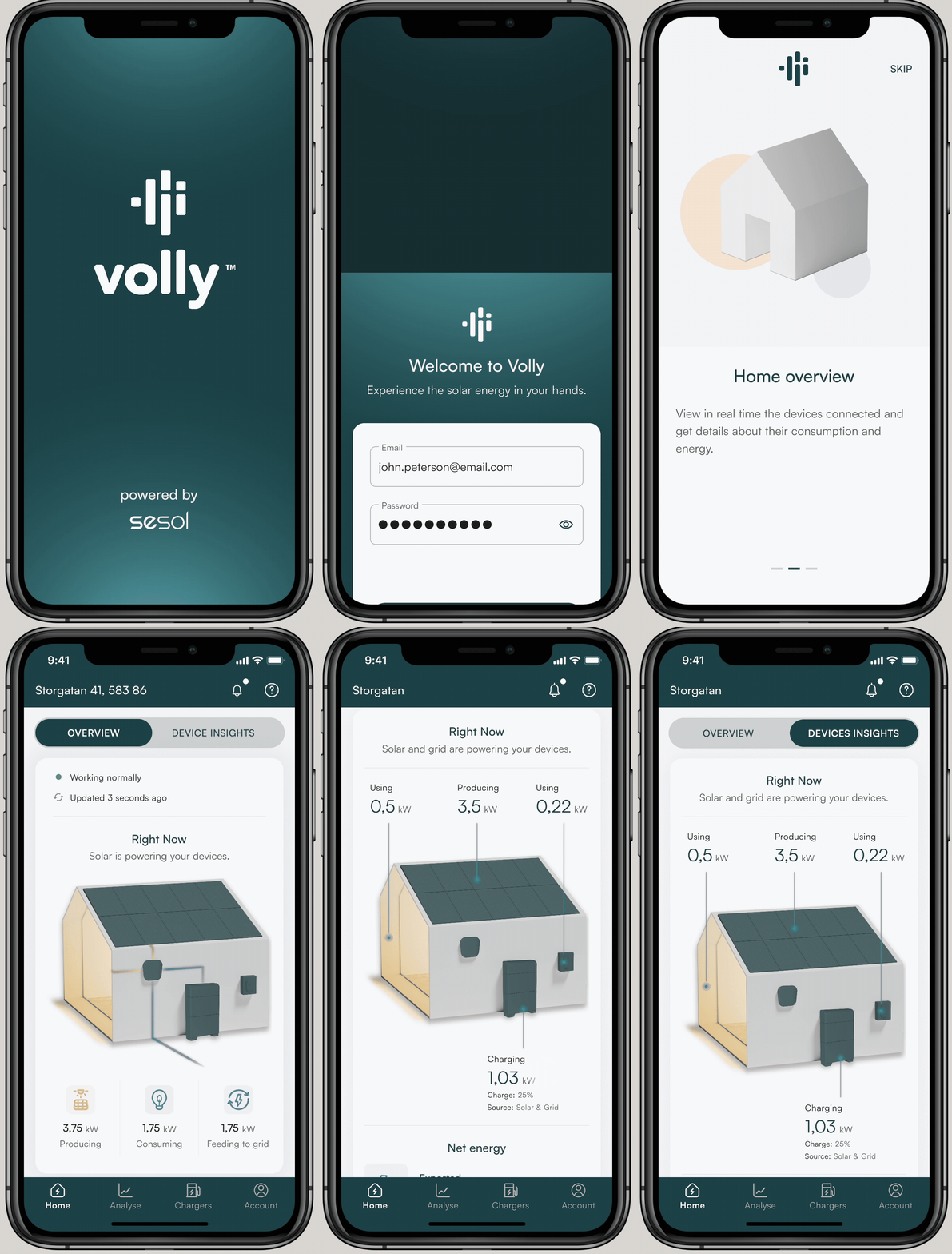
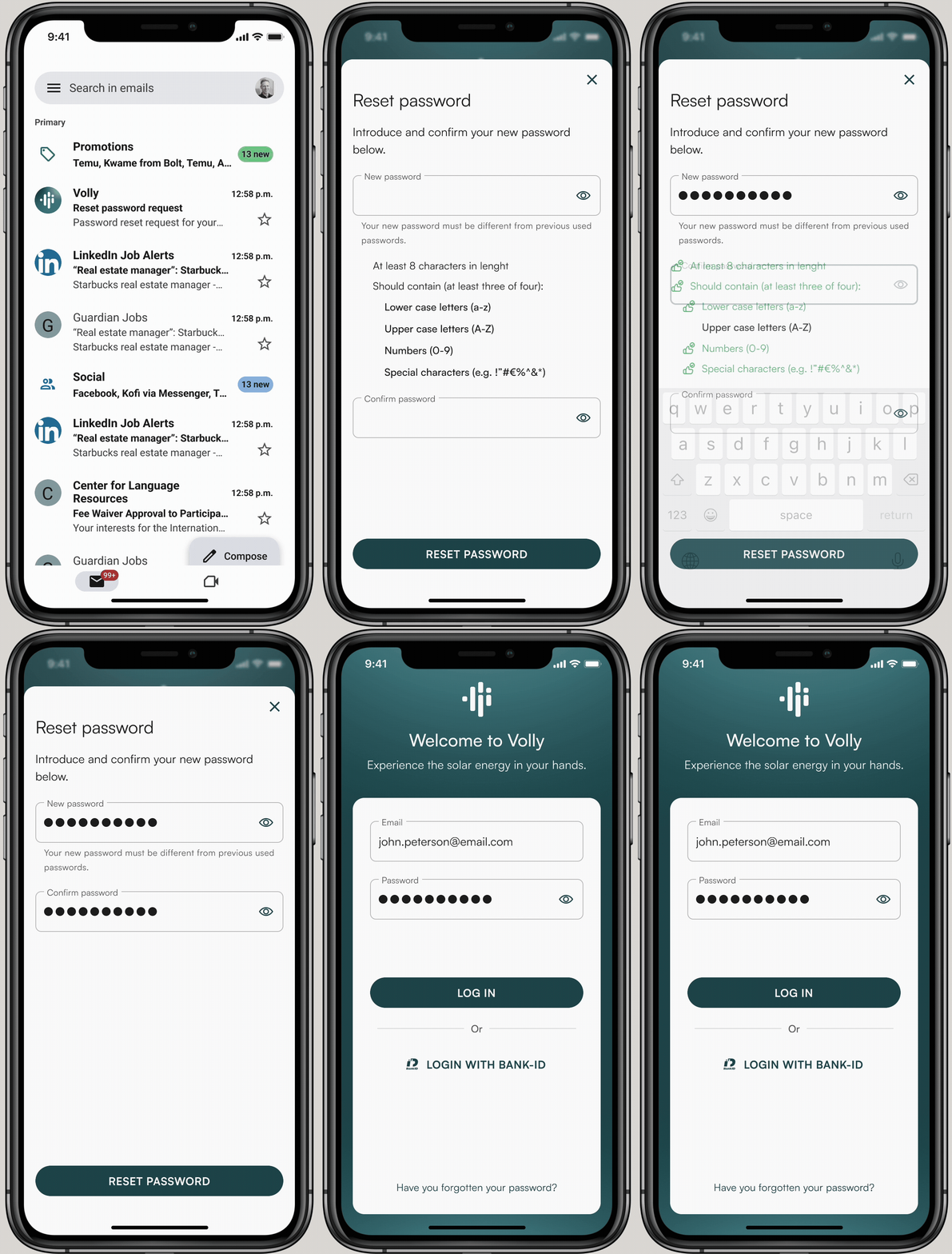
I designed the UI for a solar energy monitoring app (iOS and Android), ensuring a seamless experience on both iOS and Android. To keep the design scalable and consistent, I built a design system based on a style guide from an external agency, adapting it to fit the app’s needs.
Collaboration was key; I worked closely with the development team (mobile developers and QAs) to make sure designs were feasible and translated well into the final product. I also reviewed flows, interactions, and UI implementation to ensure a smooth user experience.
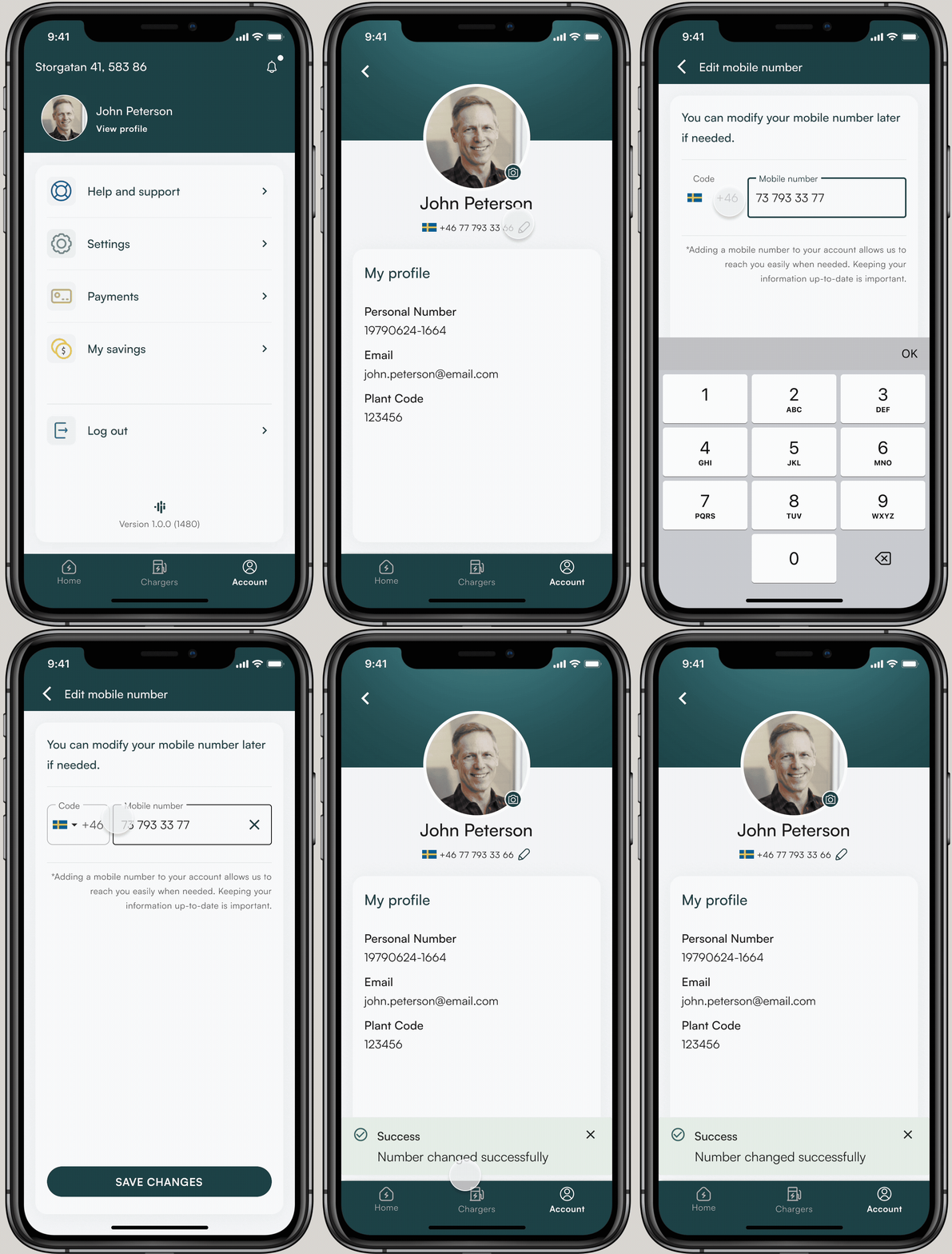
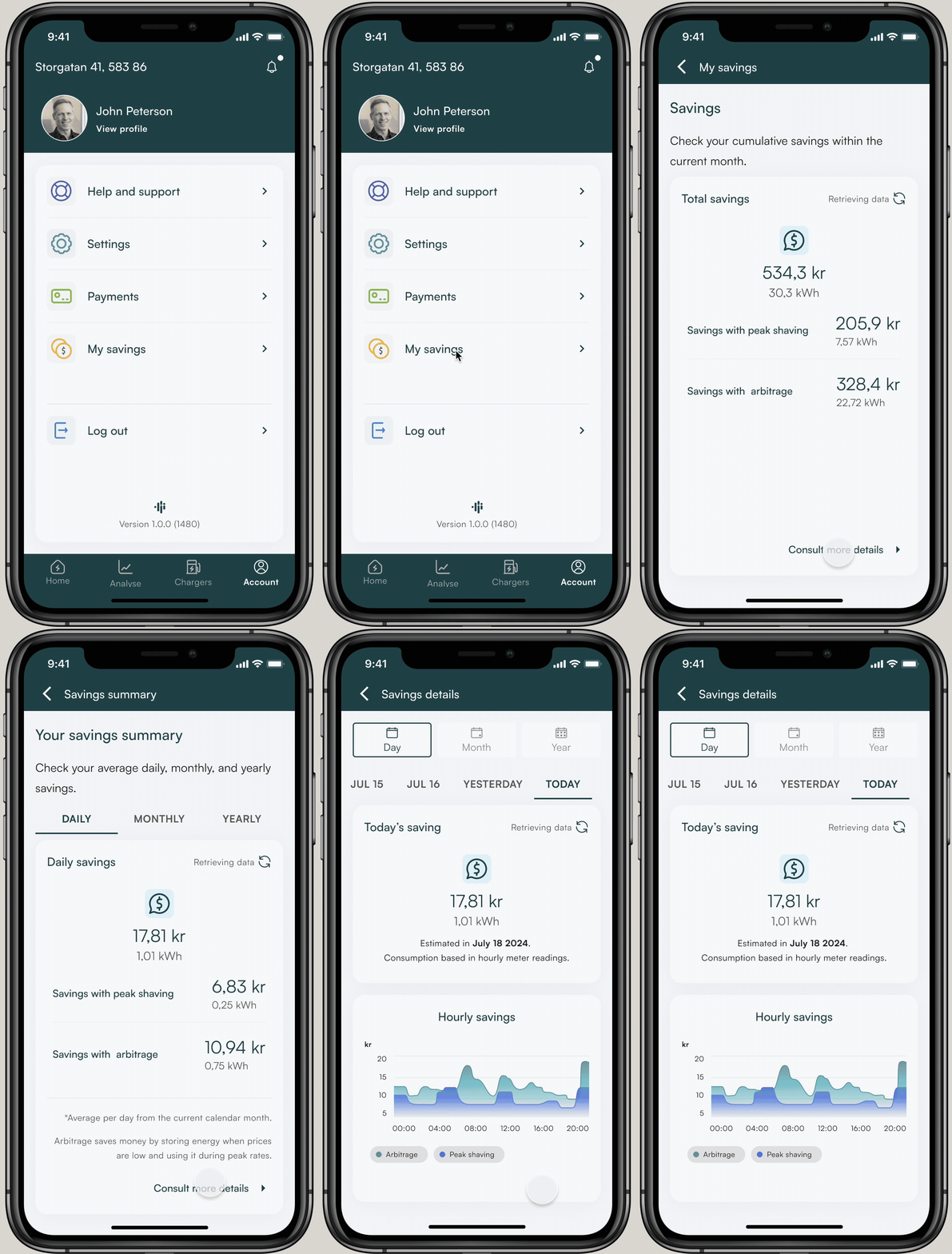
These screens are just an overview of the many I created. The designs were made considering scalability, cross-platform (iOS and Android), and adaptation.
The typography used for the designs was Satoshi. In case you want to access to designs for the screens, prototypes, iconography, color palette and iconography used.

The designs in the Figma file have some examples of the installer view, but some deliverables are considered as confidential. If you have any questions about the process or any particular aspect of the project, let me know.
The Figma file doesn't include the design system and the designs may differ from the final implementation.
To make easier the navigation through the prototypes only press the left and right arrows in your keyboard (better experience in desktop) ✨
Splash screen, onboarding
& home screen

Battery overview & configuration
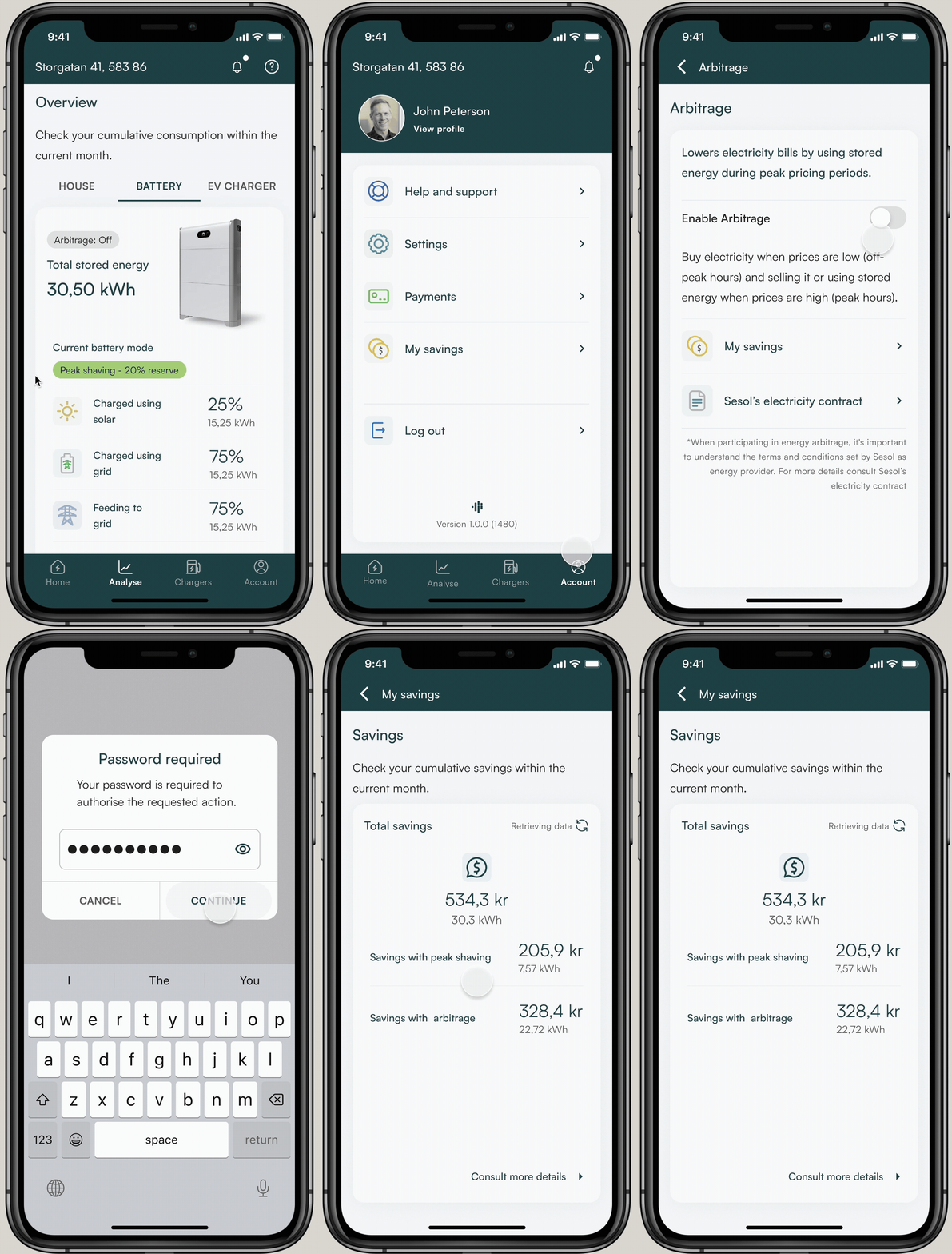
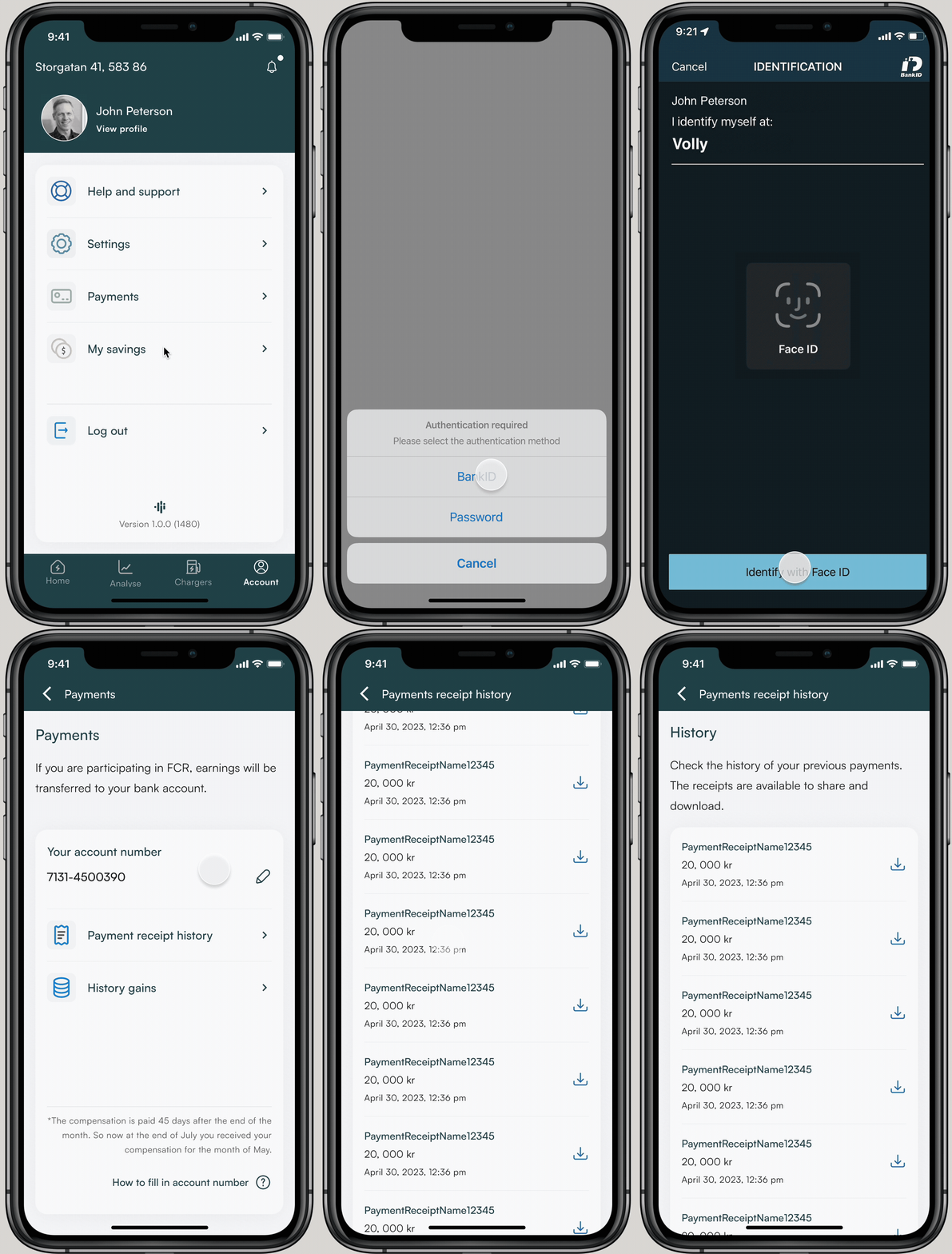
Account
My savings
Password recovery
Payments
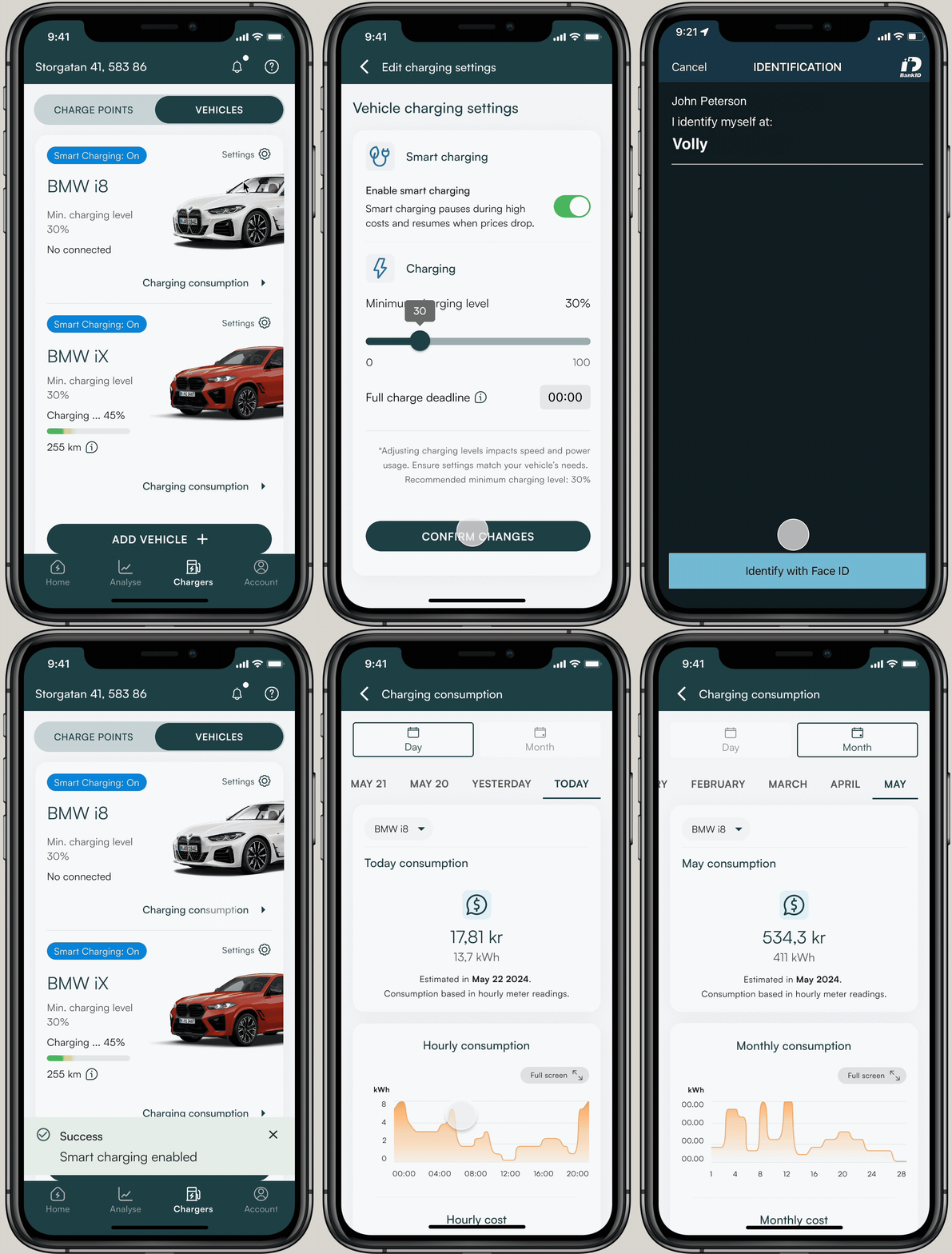
Electrical vehicles management
Analyse - Overview
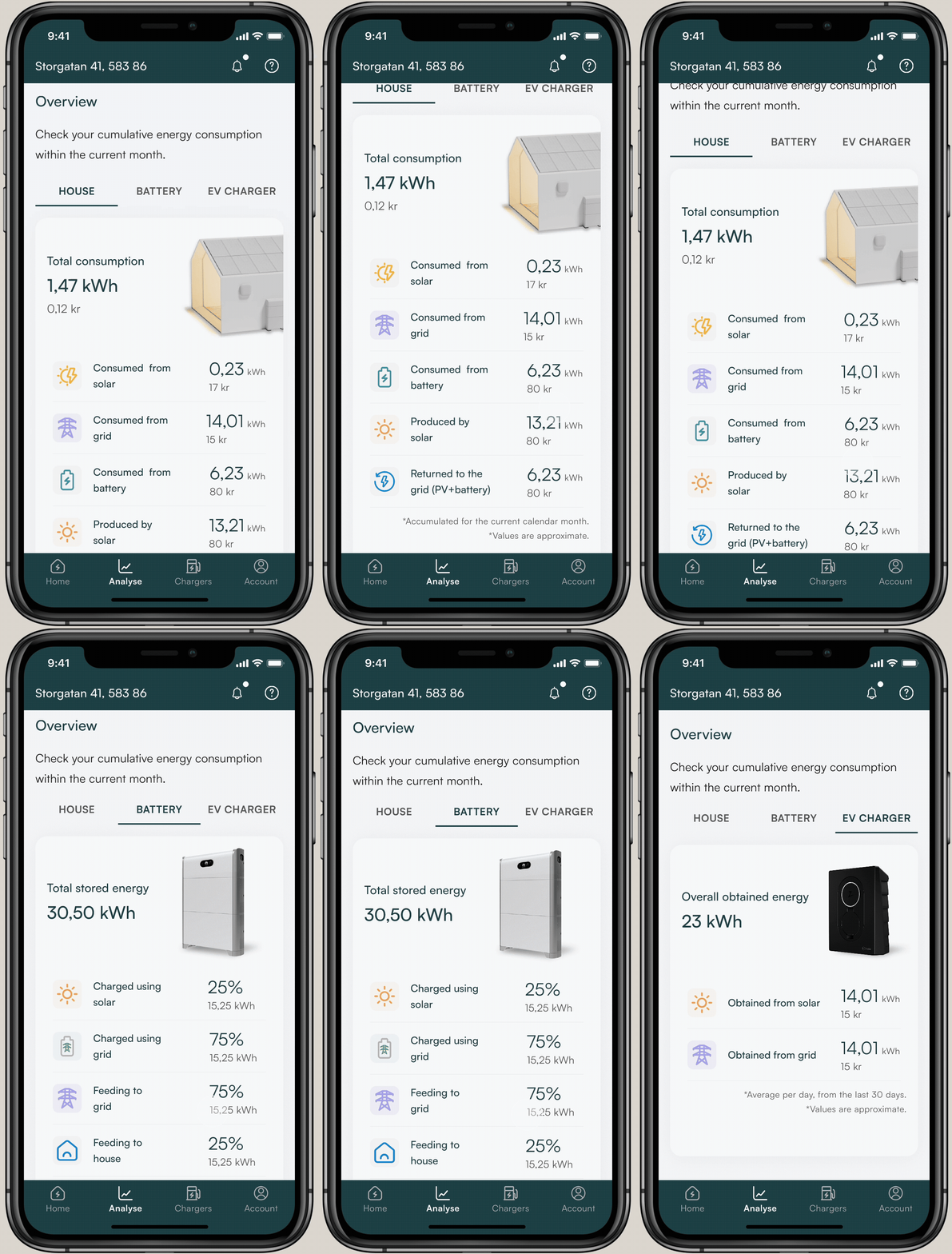
Consumption details - History
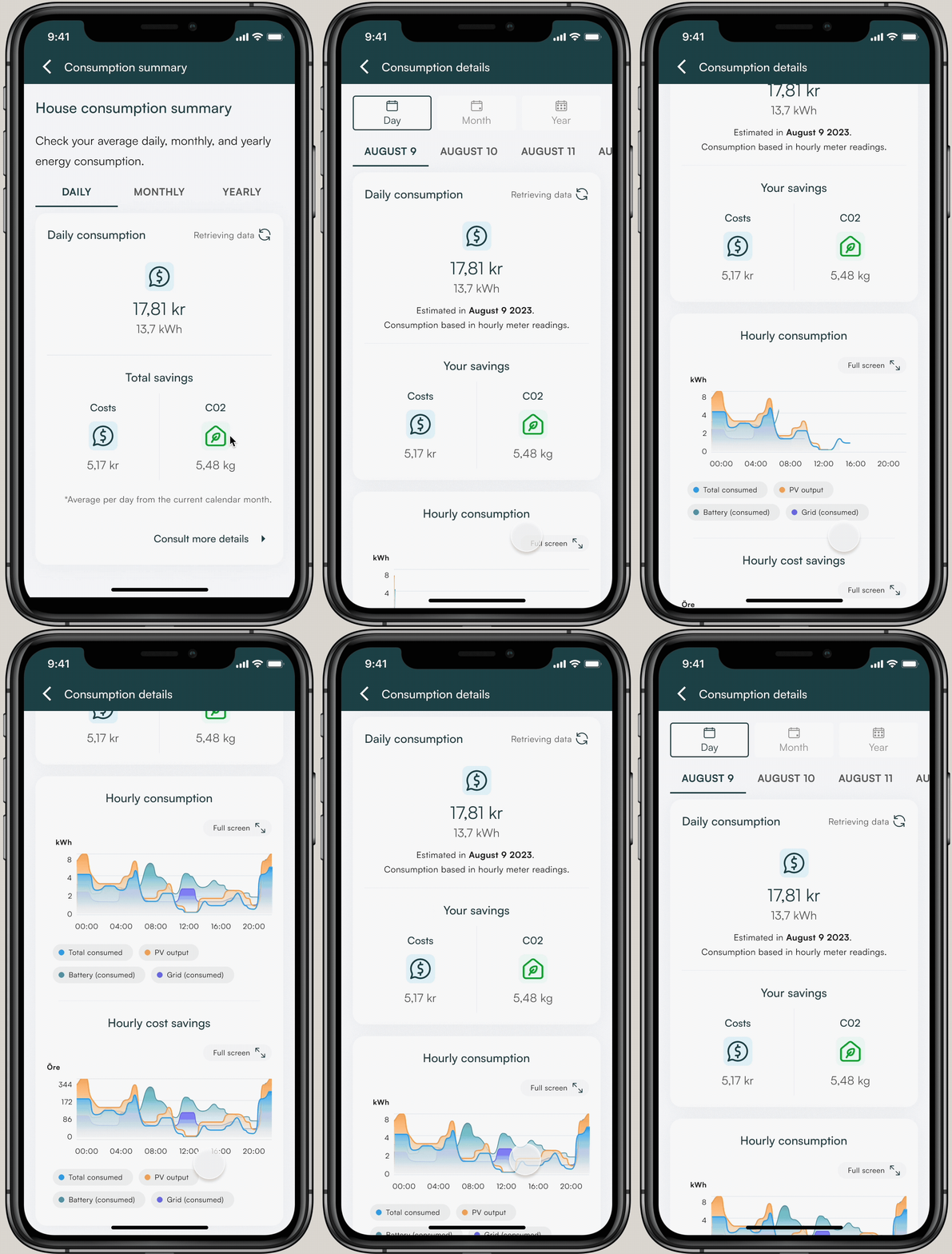
Hourly consumption - Chart full screen


VPP Management System: Concept Wireframes
Confidential project: only non-sensitive conceptual material is shown.
These wireframes represent the early concept for a Virtual Power Plant (VPP) management system, developed as part of a research initiative to enable participation in ancillary energy services such as Frequency Containment Reserve (FCR).
My focus was on translating Svenska kraftnät’s market and business rules into a clear, actionable interface for system administrators. The design explores how users could monitor assets, manage bidding configurations, and control grid participation through intuitive workflows.
The wireframes below illustrate key structures designed for clarity, compliance, and scalability within a future energy-management ecosystem.
Because the project is being considered confidential, it's not possible to include more wireframes. If you have any questions about the process or any particular aspect of the project, let me know.
Ancillary services dashboard

Create bidding schedule

The bidding schedule view illustrated how administrators could plan and configure bidding activities. Once tasks were scheduled, defining FCR direction, set-point calculation points, and state-of-charge (SOC) targets, they could be submitted to Svenska kraftnät for review.
According to the market rules, the administrative panel also allowed future bid submissions to be scheduled in advance.
The dashboard was designed to provide the VPP administrator with a quick overview of trends and historical data, including temperature insights and ongoing operational status. It also displayed tasks currently in progress, organized along a real-time 24-hour timeline showing past, ongoing, and planned activities.
The dashboard allowed administrators to manage operational tasks (except for accepted bids), giving them control over whether the VPP should store or inject energy into the grid based on system conditions. It also provided an overview of plant statuses, enabling quick actions when necessary.
Manage Virtual Power Plant

Additionally, the administrative panel enabled the management of VPP capacities in relation to planned and submitted bids. This view provided detailed insights into capacity utilization as well as an overview of swarms and plant performance.
Edit Virtual Power Plant


